
Kerevitaş Focuses on Creating Value for Its Stakeholders While Working Toward Sustainability at Full Pace
07.08.2023
Türkiye’s market-leading frozen food and margarine company Kerevitaş has issued its Sustainability Report for 2022. In this year’s, that is, the sixth, report issued with an independent assurance statement for the first time, Kerevitaş shares its environmental, social, and governance performance and pioneering sustainability projects and goals with the public.
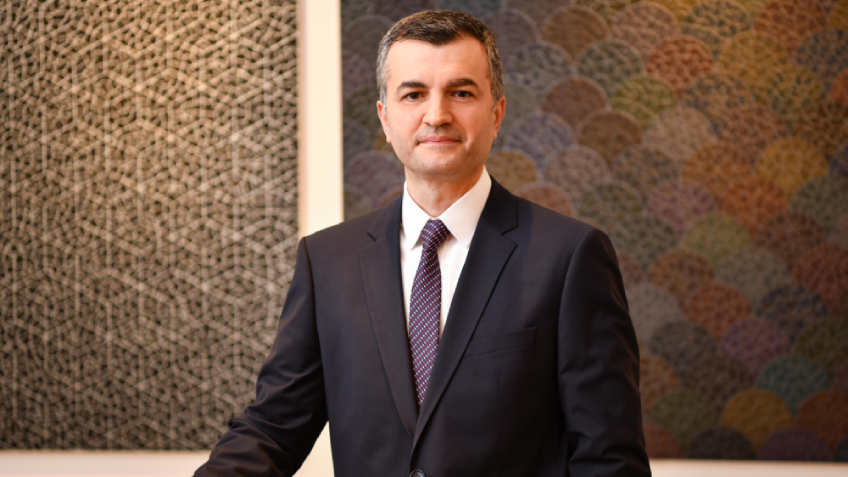
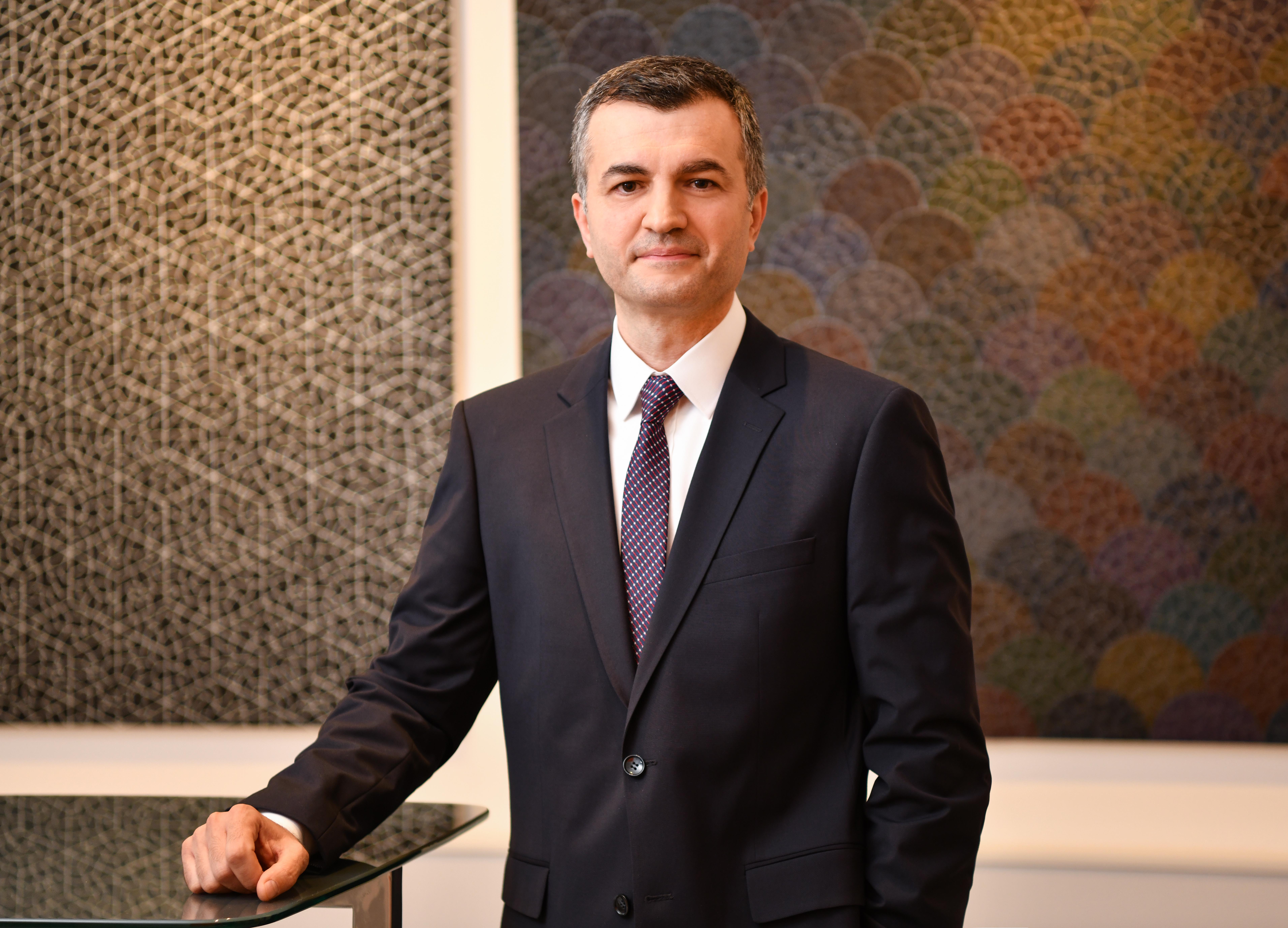
Kerevitaş continues its operations in line with its goal of achieving “net zero” carbon emissions by 2050. Kerevitaş CEO Mert Altınkılınç says, “We aim to prevent all losses in food, starting from the source, that is, the ‘field’, ensure agricultural sustainability, and expand regenerative agricultural practices.”
Addressing all its operations within the framework of sustainability and food safety in line with Yıldız Holding’s “This Is Our World” approach, the leading company in the frozen food and margarine market, Kerevitaş, has issued its Sustainability Report 2022. Having implemented many significant projects as part of its decarbonization roadmap, Kerevitaş publicly shares all the details concerning its sustainability journey, from waste and water management practices to R&D and innovation efforts, in this report.
More investments in green energy sources
Having started devising its decarbonization roadmap last year, Kerevitaş aligns its sustainability projects with its goal of achieving “net zero” by 2050. Working toward the decarbonization roadmap it devised based on 2021, Kerevitaş reduced its carbon emission intensity per production by 26, thanks to the measures it implemented last year. Having also developed a science-based net-zero strategy that complies with climate goals, Kerevitaş has already completed 9 energy efficiency and management projects to achieve it. Kerevitaş aims to achieve annual energy and financial saving rates of almost 1.7 MWh and TRY 6 million, respectively, through such projects.
Circular business model secured through local producer support efforts
Striving to achieve zero food waste across its entire value chain through its “Zero Food Loss from the Soil to the Table” business model, Kerevitaş aims to raise awareness about sustainable agricultural practices among farmers through this project. Implemented to reduce waste by establishing a circular system, this business model also reduces the need for new raw materials. Most of the food waste from production is reused in livestock farming, while the rest is reused in biogas plants to generate energy. Having increased the rate of its contract farmers to 79 percent this year, Kerevitaş also achieved a contract raw material purchase rate of 82.5 percent.
Aiming to increase the number of female farmers across the value chain
Implemented to support female contract farmers in 2022, ‘Women Stars of Agriculture’ continues at full speed. Supported by the Ministry of Agriculture and Ministry, the goal of this project is to give a guarantee to purchase 5 thousand tons of fresh fruits and vegetables from female contract farmers by 2025 through SuperFresh, one of Türkiye’s largest agricultural raw material suppliers, and thus create a value of TRY 35 million. As part of the project, 1,643 tons of produce was purchased from female farmers in the provinces of Manisa, Eskişehir, Afyon, Konya, İzmir, Bursa, and Hatay in 2022, creating a value of almost TRY 8 million. Another goal of the project is to increase the rate of female farmers across the supply chain by 100 percent within the next three years.
Altınkılınç: “We run all our operations within the framework of sustainability and food safety.”
Highlighting they place importance on running all their operations within the framework of sustainability and food safety, Kerevitaş CEO Mert Altınkılınç said: “We ensure our consumers access safe food by creating value for our customers, employees, and suppliers. Through our company, featured on the BIST Sustainability Index, we continuously improve our practices concerning sustainable agriculture, food and packaging waste, recovery, and recyclable material use for packaging. While 97 percent of our suppliers are local producers, we purchase all our raw materials from local producers. We aim to prevent all losses in food, starting from the source, that is, the ‘field’, ensure agricultural sustainability, and expand regenerative agricultural practices through our sustainability projects.”
Media Resources
-
Download
 Mert Altınkılınç